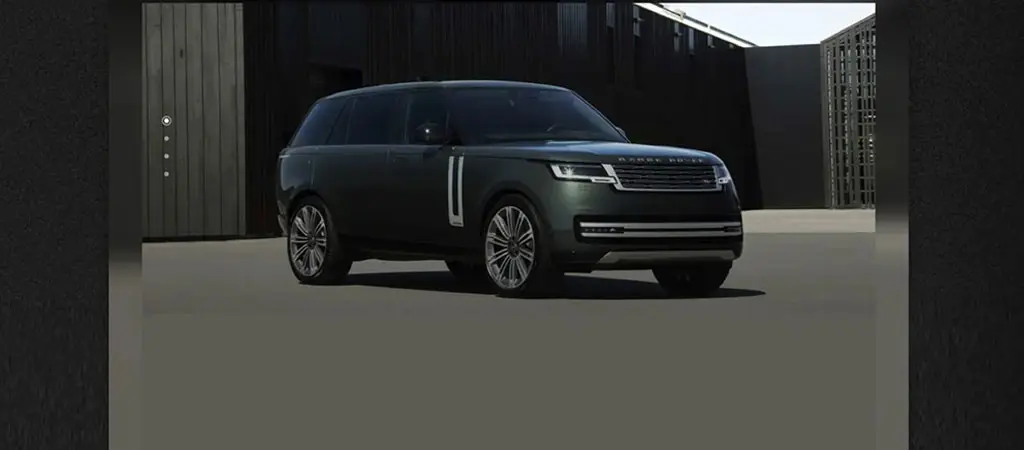
Evoque Engine Failure? Get Instant Quotes from the UK’s Most Trusted Specialists
30+ Customised Price Quotes in Minutes Save up to 60% now!Find Your Engine
Enter your registration number to get startedHandled by Experienced Land Rover & Range Rover Engine Professionals
We turn Land Rover engine replacement from a logistical nightmare into one seamless, guaranteed solution. Provide your registration, and we deliver discounted quotes covering the supply of a VIN-matched engine, professional fitting, and a 3–36-month unlimited mileage warranty from our network of MIRA-vetted specialists. It’s the complete repair package—no hidden costs, no uncertainty—just your vehicle reliably restored.
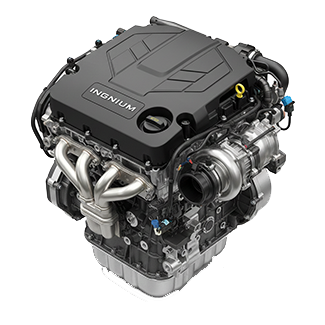
Range Rover Evoque Engine Failure: A Technical Diagnosis & Rebuilding Solution
The Range Rover Evoque utilizes a variety of powerplants, each with unique engineering vulnerabilities. At RR4X4works, we don’t just "swap" engines; we perform a forensic analysis to ensure the root cause of failure is eliminated during the rebuild process.
The 2.2L Diesel (DW12/SD4): Oil Contamination & Crankshaft Stress
While the 2.2L is fundamentally robust, it suffers from two critical failure points:
- Oil Cooler Internal Rupture: This leads to cross-contamination between the lubrication and cooling circuits. The resulting "mayonnaise" in the oil galleries rapidly destroys crankshaft main bearings.
- Crankshaft Pulley (TVD) Fatigue: Excessive vibrations from a worn torsional vibration damper (TVD) often lead to premature crankshaft failure.
The RR4X4works Standard: We install an uprated, reinforced oil cooler and a new OE-spec TVD pulley as standard. Crucially, we perform a multi-stage chemical flush of the entire cooling system to ensure zero oil residue remains.
The 2.0L Ingenium Diesel: Systemic Oil Dilution & Timing Failure
The Ingenium unit is highly sensitive to UK urban driving cycles.
- Oil Dilution: Frequent short journeys interrupt DPF regeneration, forcing diesel into the sump. This thins the oil, causing the rear-mounted timing chain to stretch and the balance shaft bearings to seize.
The RR4X4works Standard: We perform a complete forensic strip-down. We install the latest revised timing chain kits and uprated balance shafts. Unlike local garages, we physically remove and ultrasonically clean the oil sump and pick-up pipe to prevent immediate contamination of the fresh oil.
The 2.0L EcoBoost Petrol: Thermal Integrity & Turbo Failure
The petrol Evoque models frequently suffer from:
- Coolant Intrusion: Tiny fractures in the block or head gasket failure lead to coolant entering the combustion chamber.
- Turbocharger Wastegate Wear: Causes "Under boost" codes and significant power loss.
The RR4X4works Standard: We perform a High-Pressure Leak Test on the engine block. We utilize multi-layer steel (MLS) head gaskets and high-tensile bolts to ensure thermal stability. Every turbocharger is either professionally remanufactured or replaced with an upgraded unit.
Eliminating Post-Installation Headaches (DPF & EGR Integrity)
A common failure in "cheap" engine jobs is immediate DPF or EGR warnings. This happens because the previous engine's failure (burning oil or soot) has already saturated the exhaust system.
Our Preventive Protocol: Before your replacement engine is fired up, we perform:
- Full Diagnostic Flow-Test of the DPF system.
- EGR Valve Ultrasonic Cleaning.
- Intercooler De-greasing to prevent oil-ingestion "runaway" in diesel models.
The RR4X4works Method: A Data-Driven, Specialist-Led Path to Your Replacement Engine
The term “multi-quote” often implies a cold, automated system. At RR4X4works, we have redefined this process into a bespoke, hands-on service designed to provide total clarity. We don't just generate numbers; we engineer a solution tailored to your vehicle's specific failure. Here is how our professional process operates:
Technical Data Submission
Your journey begins by sharing your vehicle's history and symptoms alongside your VIN (Vehicle Identification Number) or registration and location. This allows our engineers to understand the "forensic" picture of your Range Rover before any advice is given.
Specialist Algorithmic Filtering
Using our network doesn't mean being flooded with generic emails. Instead, our vetted UK suppliers review your specific mechanical problem. We believe every engine variant deserves a dedicated specialist.
For instance, a 2012 2.2L SD4 (DW12) with a suspected crankshaft failure requires a different technical approach and supply chain than a 2017 2.0L Ingenium struggling with complex AdBlue (SCR) integration or timing chain stretch. By utilizing your VIN, we ensure your request is only handled by specialists who possess the specific tooling and stock for your exact engine generation.
Professional Quote Synthesis
Our specialist workshops review your data and respond with unprecedented speed. These aren't just "estimates"; they are comprehensive breakdowns in plain English. Each quote details the exact scope of work, the quality of components utilized (OEM vs. Uprated), and the specific parts and labour warranty terms.
To ensure the process is financially manageable, our partners offer flexible payment solutions (subject to status and T&Cs), allowing you to restore your vehicle’s performance without immediate capital strain.
The Comparative Dashboard
We present all viable options—Remanufactured, Rebuilt, and Low-Mileage Used—side-by-side in one simple, transparent document. Crucially, we include our own Technical Advisory Notes on the pros and cons of each choice based on your car's age and mileage. We clarify the critical differences between a "rebuilt" unit (repairing the failure) and a "remanufactured" unit (restoring to 0-mile factory tolerances) so you know exactly where your investment is going.
Engine Identification: The Most Important Step While Range Rover Evoque Engine Replacement
When it comes to the Evoque, getting the exact engine match is everything. Fitting the wrong version can be a total disaster, and even tiny differences between models can lead to big problems down the line.
The only way to be 100% sure is by using your Vehicle Identification Number (VIN). While the table below is a good starting point, we’d always recommend not relying on the model year alone, as specifications often overlap during production.
Range Rover Evoque (2011-2018) Engine Identification
| Model Year | Engine Designation | Engine Code | Displacement | Key Identifiers & Notes (UK Spec) |
|---|---|---|---|---|
| 2011–14 | SD4 / Si4 | DW12 (Ford/PSA) | 2.2L Diesel | The original workhorse. Known for oil cooler failure and crank pulley wear. Uses a timing belt, not a chain. |
| 2011–15 | Si4 Petrol | 2.0L 240PS (EcoBoost) | 2.0L Petrol | Turbocharged unit. Critical to monitor for coolant loss and turbocharger wear. Later versions are more robust. |
| 2015–18 | TD4 / SD4 | Ingenium (D240/D180) | 2.0L Diesel | JLR’s own Ingenium unit. Chain-driven; AdBlue introduced from ~2016. Early units prone to oil dilution and chain stretch. |
| 2018–Pres. | D165 / D200 / P250 | Ingenium Family | 2.0L (D/P) | Multiple power outputs. Features complex emission systems (GPF). Repair & diagnosis are heavily ECU-dependent. |
The Essential Step: Verification
Before we get started, we always use your VIN or registration to double-check exactly what’s under the bonnet. It’s a quick but vital step that helps us confirm three key things:
- The exact engine code
- The ECU software level
- Specific ancillary components (such as the alternator or high-pressure pump) that must match your vehicle
In our experience, taking a few minutes to verify these details at the start saves a lot of headaches later. It’s the simplest way to make sure the job is done right first time and that your Evoque stays reliable for the long run.
Reconditioning Standards: Where the Real Difference Lies
To be fair, almost anyone can swap an engine, but how long that engine actually lasts depends on how it was rebuilt in the first place. We see Evoque’s every single week—mostly the diesel models—and we’ve noticed clear patterns in how they fail.
The table below shows the difference between a 'standard' repair and the way our specialist partners handle things. It’s the difference between just getting back on the road and actually fixing the root of the problem.
| Common Failure Points | Typical Approach | RR 4X4 Works Qualified Approach |
|---|---|---|
| Crankshaft (DW12 2.2L Diesel) | Polish and re-use with standard bearings if within wear limits. | Mandatory magnetic particle inspection for micro-cracks. Journals are micro-polished and paired with coated bearings to improve oil film retention—vital after a turbo failure. |
| Cylinder Head (All Engines) | Pressure test, skim if warped, and fit new valve stem seals. | Pressure test and check for porosity. All oil galleries are ultrasonic cleaned. We replace all cam bearings/caps as a set and, where possible, use upgraded valve guides. |
| Oil Pump & Galleries (Ingenium 2.0L) | Replace pump with OEM-spec equivalent and flush galleries. | Replace with high-flow variants. This includes a labour-intensive ultrasonic clean of the oil cooler and all gallery plugs to remove any trace of debris. |
| Timing Components (Ingenium Chain) | Replace stretched chain and tensioners with standard parts. | Full system replacement, including guides, sprockets, and the oil pump drive chain. We pre-prime tensioners to prevent "dry-start" rattles that cause early wear. |
| Ancillary Components | Clean and re-fit turbo, injectors, or pumps if they "look okay." | Rigorous bench-testing. Turbos are sent for specialist balancing and injectors are pop-tested. We don't guess; a "seems okay" part is the biggest cause of future breakdowns. |
It’s About Doing the Job Right
The difference between our network and a standard garage isn't down to luck; it’s simply about being thorough. We don't just put in a new engine and hope for the best.
Our engine rebuilders follow a strict set of standards designed to fix the actual reasons these engines fail in the first place. By addressing the root cause—not just the symptoms—we make sure your new engine is often even more reliable than the one that originally came from the factory.
From "Limp Mode" to Long-Term Reliability: The UK’s Most Trusted Path for Range Rover Evoque Engine Restoration
Let’s be honest—the moment your Range Rover Evoque flashes a "Restricted Performance" warning, drops into "Limp Mode," or emits that dreaded Ingenium diesel rattle, it is more than just a mechanical failure. It is a moment of intense stress. You aren't just losing a vehicle; you are losing your daily routine, facing potential school-run disruptions, and entering a "minefield" of inconsistent quotes and varying repair quality.
At RR4X4works, we have overseen hundreds of precision engine restorations, and we understand that you don't need a sales pitch—you need a transparent, technically sound engineering plan.
The Gold Standard: 36-Month Unlimited Mileage Warranty Our specialist suppliers are so confident in their metallurgical standards and assembly precision that they offer a 36-month, unlimited mileage warranty on every remanufactured engine. This isn't a "patch-up" job or a basic engine swap; it is a full restoration to Factory-Plus specifications. This level of cover is your guarantee that every component—from the timing chain to the crankshaft bearings—has been built to last without compromise.
Your journey: From Recovery to Getting Back on the Road
We oversee every step of this process to make sure you avoid the common traps that people often fall into when trying to manage a major repair on their own.
- Recovery & First Check: We’ll arrange to have your Range Rover picked up and taken to your chosen workshop. The first thing they do is confirm it’s definitely an engine failure and not just a faulty sensor. This saves you from paying for a big repair you might not even need.
- Video Update & Final Quote: Most workshops will send you a quick video once the engine is apart. Seeing the damage for yourself (like a worn crankshaft) means you know exactly what’s being fixed—no hidden surprises or "mystery" costs later on.
- Getting Everything Ready: While your engine is being rebuilt, the workshop prepares the car. They’ll clean the engine bay, check the mounts, and flush the cooling system. It’s a step many places skip, but it’s vital for a reliable job.
- Fitting & First Start: The engine is fitted with fresh oil, filters, and seals. We follow a careful "first start" routine—building up oil pressure slowly before the engine actually fires up. This protects the new parts from the very first second.
- Real-World Testing: We don’t just start it and hand you the keys. The Range Rover goes for a proper road test where we monitor live data—checking temperatures and turbo boost to make sure everything is perfect.
- Handover: You’ll get your car back with a full report, run-in instructions (to help the new engine settle in), and all your warranty paperwork. You’ll also have the workshop foreman’s details if you have any questions later.
What to Actually Ask: Your Simple Checklist
When you’re looking at quotes, use these questions to cut through the jargon and see what you’re really getting:
- What’s the actual spec? Is the engine ‘reconditioned’ (just fixing what was broken), ‘rebuilt’ (bringing everything back to factory standards), or ‘remanufactured’ (like-new with upgrades)? Ask them to put it in writing.
- What about my old engine? Most quotes assume you’ll give them your old engine (the ‘core’) in exchange. Ask what happens if your old engine block is too damaged to reuse.
- What parts are being used? Are they original Land Rover parts (OEM), high-quality equivalents, or budget aftermarket bits? It’s important to know what’s going inside your engine.
- Are the ‘extras’ included? Does the price cover the turbo, fuel pump, and injectors, or are those charged separately?
- How does the warranty work? Does it cover both parts and labour? If something goes wrong, you don’t want to be stuck with a £2,000 bill just to take the engine back out.
- Is fitting included? Does the quote include the oil, coolant, filters, and seals? Some places give a cheap engine price but then add a huge "fitting kit" charge at the end.
Popular Range Rover Evoque Engines
- Fuel TypeDiesel
- Engine Size2.2 cc
- Cylinders4
- Power (KW)110
- Years2011 - 2018
- Avg. Price£2,600
- Fuel TypePetrol
- Engine Size2.0 cc
- Cylinders4
- Power (KW)177
- Years2011 - 2018
- Avg. Price£2,475
- Fuel TypeDiesel
- Engine Size2.0 cc
- Cylinders4
- Power (KW)110
- Years2011 - 2018
- Avg. Price£2,600
- Fuel TypeDiesel
- Engine Size2.0 cc
- Cylinders4
- Power (KW)177
- Years2011 - 2018
- Avg. Price£2,500
- Fuel TypePetrol
- Engine Size2.0 cc
- Cylinders4
- Power (KW)177
- Years2011 - 2018
- Avg. Price£2,600
Best-Selling
Used & Reconditioned Land Rover & Range Rover Engines Across the UK
These are our most sought-after engines, representing the best balance of availability, proven rebuild protocols, and customer satisfaction.
What are the most reliable replacement engines you source?RANGE ROVER EVOQUE (L538) 2.0 D 4x4
RANGE ROVER EVOQUE (L538) 2.2 D
RANGE ROVER EVOQUE Convertible (L538) 2.0 D 4x4
RANGE ROVER EVOQUE (L538) 2.0 4x4
RANGE ROVER EVOQUE Convertible (L538) 2.0 D 4x4
RANGE ROVER EVOQUE (L538) 2.0 4x4
RANGE ROVER EVOQUE Convertible (L538) 2.0 4x4
RANGE ROVER EVOQUE (L538) 2.0 4x4
RANGE ROVER EVOQUE (L538) 2.0 D 4x4
RANGE ROVER EVOQUE (L538) 2.2 D 4x4
RANGE ROVER EVOQUE (L538) 2.0 D
RANGE ROVER EVOQUE Convertible (L538) 2.0 D 4x4
RANGE ROVER EVOQUE (L538) 2.0 4x4
RANGE ROVER EVOQUE Convertible (L538) 2.0 4x4
RANGE ROVER EVOQUE (L538) 2.0 4x4
RANGE ROVER EVOQUE (L538) 2.0 D 4x4
RANGE ROVER EVOQUE (L538) 2.2 D 4x4
Land Rover & Range Rover Replacement Engines
Find the Right Replacement Engine for Your Model, Year & Driving Needs
Unsure which replacement engine is right for your Land Rover or Range Rover? Let RR4x4works cut through the confusion. Simply select your vehicle to see all compatible options side-by-side—including approved used and fully reconditioned engines. Instantly compare quotes, warranty terms, and local specialist fitters for your specific Discovery, Range Rover Sport, or Defender. It's the straightforward way to make a confident choice for your vehicle and your budget.

Discovery 3 Engines , Discovery 4 Engines , Discovery 5 Engines , Discovery Sport Engine
Popular
Land Rover & Range Rover Engine Sizes – The Most Requested Replacement Engines
We specialise in the engines that power the UK's Land Rovers. Our inventory and expertise cover high-demand units known for both performance and specific failure points, ensuring we have the right solution.
Which Land Rover engine sizes do you most commonly supply and rebuild?People also ask
Frequently Asked Questions
From recovery to handover, allow 10-14 working days for a well-executed job. Rushed jobs (3-5 days) often skip critical cleaning, testing, and run-in steps.
Almost certainly, yes. If the map contributed to the failure (excessive boost, timing), it voids the warranty. We recommend returning to a standard map before the work. Discuss this transparently with the workshop.
It’s a gamble. You have no history of its internal wear. It may last years, or fail in months. For a £25k+ vehicle, the financial risk is high. A professionally rebuilt unit with a warranty is almost always the more prudent long-term investment.
Our partner workshops often work with specialist vehicle finance providers. We can facilitate an introduction for a quote, subject to status.
Our network of accredited fitting centres covers England, Scotland, and Wales. We match you to the closest suitable specialist to minimise recovery costs and for easier follow-up.
We can provide the detailed technical reports and costings required by your insurer. However, the claim itself must be initiated by you with your provider. Most standard policies do not cover mechanical failure, but it’s always worth checking.
Often, yes. On the 2.2L DW12, it can be a leaking injector seal allowing diesel to pool in the cylinder head valley. On others, it could be DPF regeneration fumes. It’s a common complaint we investigate during the assessment.
Yes, and any reputable workshop will do this as part of the commissioning process. Ensure this is included in your quote.
Testimonials of
Happy Customers
“When the big ends went, I thought it was the end for my Disco 3. RR4x4 Works presented a clear choice: a gamble on a used engine or a proper rebuild that would last. Their explanation about the oil cooler and uprated bearings made the rebuild the obvious long-term decision. The process was transparent, and getting the old crankshaft and bearings back in a box showed exactly what had failed. It wasn't a quick fix, but it was the right fix. The car now drives better than it has in years.”
“When my Disco’s engine exploded, I was devastated. RR4x4 Works explained that a used engine was a lottery, but a rebuild with a stronger crankshaft could actually make it more reliable than before. Seeing the snapped crank made the problem real. Their thorough approach, rebuilding the turbos and everything, gave me total confidence. Yes, it was an investment, but I now have my vehicle back with a known, warrantied engine that should last for years. Exceptional, honest service.”
“I’d been topping up coolant for months, and two garages told me it was ‘probably a small external leak’ or the pressure cap. RR4x4 Works did a simple test with blue liquid and immediately showed me bubbles – proof the leak was inside the engine. Their explanation of sending the head to be tested and machined made total sense compared to just swapping the gasket. The repair was thorough, included the timing chain, and now my Disco 5 runs perfectly with no temperature warnings. Finally, a permanent fix.”
“My Discovery Sport was a mess – smoking, shaking, and drinking coolant. I was braced for a head gasket bill. RR4x4 Works did a proper test and found combustion gas straight away, but they also smelled diesel in the coolant. They explained it could be a cracked head and the injector seals, and that just doing the gasket was a huge risk. Getting the head tested and welded made complete sense. Now, it runs perfectly, with no leaks or smoke. Their thoroughness saved me from a comeback job and got it right first time.”
“My Discovery was becoming a smoke machine and felt sluggish. I was worried it needed a full engine rebuild. RR4x4 Works checked the turbo shaft, found it was loose, and showed me all the oil in the intercooler pipes. Their explanation that a new turbo was the logical first and most likely fix made perfect sense. They cleaned everything out properly and now it runs like new, with no smoke and plenty of power. A clear, honest diagnosis that saved me from a much bigger bill.”
“When my turbo exploded on the M1, the recovery driver said ‘just needs a new turbo.’ RR4x4 Works found the real problem: a solid, blocked oil pipe. They explained that just bolting on a new turbo would have been like fixing a burst pipe without turning off the water main. Flushing the whole system and replacing all the lines made total sense. It wasn't the cheapest quote, but it was the only one that explained the why. The car now drives perfectly, and I know it won't happen again next week.”
“Everywhere I called said ‘head gasket’ as soon as I mentioned white smoke and coolant. RR4x4 Works did a simple test that proved it wasn’t the head. They found the leak was in the EGR cooler and explained exactly how the coolant was getting into the engine. Cleaning out the whole intake system and intercooler was a revelation – the amount of gunk that came out was shocking. Now it runs cleanly, doesn’t use a drop of coolant, and the oil is clean. Their diagnostic skill saved me from an unnecessary and massive repair bill.”
“The startup rattle on my Range Rover was so bad it was embarrassing. RR4x4 Works diagnosed it immediately as timing guides. They explained that just fixing the broken ones would be a temporary patch, as the others were just as old. Doing the full job on both sides made complete sense for a permanent solution. The difference is night and day – it now starts as quietly as a new car. Their expertise saved me from a future breakdown and a second huge labour bill.”
“The startup rattle on my Evoque was getting worse. RR4x4 Works didn't just listen to it; they hooked up computers and pressure gauges. They showed me the data that the chain was stretched and explained that just changing it might not last if the oil pressure wasn't spot on. Replacing the pump at the same time made total sense for a long-term fix. The process was clear, and now the car starts silently every time. They treat the cause, not just the symptom.”
“The startup rattle on my Evoque was getting worse. RR4x4 Works didn't just listen to it; they hooked up computers and pressure gauges. They showed me the data that the chain was stretched and explained that just changing it might not last if the oil pressure wasn't spot on. Replacing the pump at the same time made total sense for a long-term fix. The process was clear, and now the car starts silently every time. They treat the cause, not just the symptom.”
“My Evoque was becoming a smoke machine and felt sluggish. I was worried it needed a full engine rebuild. RR4x4 Works checked the turbo shaft, found it was loose, and showed me all the oil in the intercooler pipes. Their explanation that a new turbo was the logical first and most likely fix made perfect sense. They cleaned everything out properly and now it runs like new, with no smoke and plenty of power. A clear, honest diagnosis that saved me from a much bigger bill.”
“I was going in circles with my Sport – it kept overheating but never leaked a drop on my driveway. The smell inside was worrying. RR4x4 Works used a smoke machine and showed me exactly where it was leaking from under the supercharger. Their explanation about all the internal seals ageing together made complete sense. Doing the full set of seals while it was off the car was the only logical choice. Now it runs cool and the smell is gone. Expert diagnosis and a proper, lasting fix.”
“When I saw that brown gunk on the dipstick, I feared the worst. RR4x4 Works diagnosed the oil cooler straight away but stressed that just changing it wasn't enough. Their explanation about the abrasive sludge hiding everywhere made perfect sense. Their process of flushing, cleaning the turbo lines, and even the intercooler was thorough. They showed me the clogged oil pickup screen – it was frightening. Now the oil is crystal clear, and it runs perfectly. They didn't take shortcuts, and that's why I trust them.”
"The startup rattle on my Supercharged Sport was so loud it was embarrassing. RR4x4 Works diagnosed it immediately as timing guides. They explained that just fixing the broken ones would be a temporary patch, as the others were just as old. Doing the full job on both sides made complete sense for a permanent solution. The difference is night and day – it now starts as quietly as a new car. Their expertise saved me from a future breakdown and a second huge labour bill."
“The startup rattle on my Range Rover was so bad it was embarrassing. RR4x4 Works diagnosed it immediately as timing guides. They explained that just fixing the broken ones would be a temporary patch, as the others were just as old. Doing the full job on both sides made complete sense for a permanent solution. The difference is night and day – it now starts as quietly as a new car. Their expertise saved me from a future breakdown and a second huge labour bill.”
“My Range Rover was drinking coolant and overheating, but no garage could find the leak. RR4x4 Works used a smoke machine and showed me exactly where it was escaping – from under the supercharger. Their explanation about the internal seals made perfect sense. They recommended replacing the whole set and the coupler while it was apart, which stopped me worrying about the next failure. The repair was thorough, and now it runs cool and holds coolant perfectly. Exceptional diagnostic skill and honest advice.”
“After weeks of worrying about the rattle and scary oil light, the team at RR4x4 Works took the time to show me the diagnostic data and explain exactly why just doing the chains might not last. They presented the different options clearly without any pressure. Choosing the full repair was a decision based on understanding, not fear. The car has been silent and perfect ever since, and I have total confidence in it again. This is how all car repairs should be handled.”
“I brought my Evoque in with that horrible cold start rattle, terrified the engine was about to blow. The team at RR4x4 Works didn’t just give me a quote; they took the time to show me the diagnostic codes, explain exactly why the front and rear parts needed doing, and laid out my options without any pressure. The difference now is incredible—it starts like a new car and the power is back. I have complete confidence that this fix is permanent. Their thoroughness and expertise are worth every penny.”
“I was going in circles with my Sport – it kept overheating but never leaked a drop on my driveway. The smell inside was worrying. RR4x4 Works used a smoke machine and showed me exactly where it was leaking from under the supercharger. Their explanation about all the internal seals ageing together made complete sense. Doing the full set of seals while it was off the car was the only logical choice. Now it runs cool and the smell is gone. Expert diagnosis and a proper, lasting fix.”
“My Velar had become embarrassing to drive – juddering at lights and sounding like a diesel. RR4x4 Works didn’t just guess; they showed me the camera footage of the clogged valves and explained the timing chain data. Opting for the full repair made complete sense. I got my car back feeling and sounding like new. Their thorough approach saved me time and money in the long run, and I finally enjoy driving it again.”
“After my Vogue started looking sorry for itself every morning, I dreaded a huge bill. RR4x4 Works found not one, but two separate leaks. They explained how just doing the spring would likely lead to the compressor failing soon after. Their approach of fixing the whole problem made complete sense. The repair was efficient, and the car now sits perfectly level all the time. Their knowledge saved me from a future breakdown and expense.”